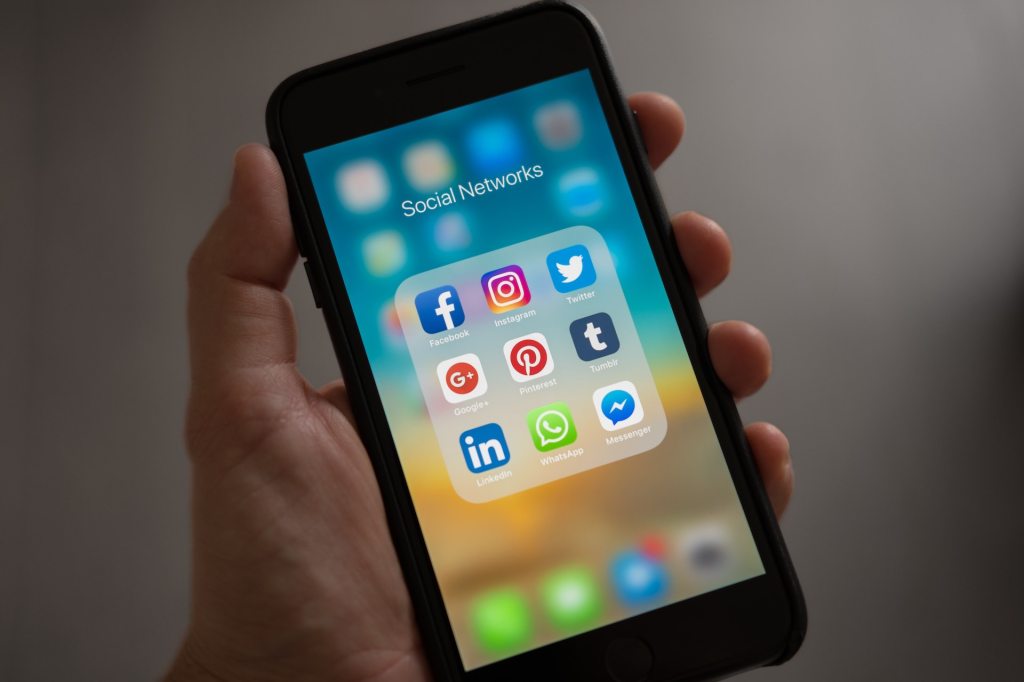
Growing up, social media was not a major component of my life. I was not allowed to have a Facebook or Twitter account until high school, and even then I tended to have a more eccentric approach. While my classmates posted expertly edited selfies with their coffees or beautiful landscape shots, I was posting photos of my friends surrounded by junk food or videos of destroying bad DVD movies.
In a way, this was a form of protest against what I viewed as an overall blandness when it came to social media. If everyone is posting the same thing, why don’t I try and do something different? That model has been what I have looked for in my social media use, for those that break the mold and do try something new.
One aspect of social media is how we get informed on the topics of the day. Social media has not only had a major impact on how we engage online but also how we get our news. In How Social Media Has Changed How We Consume News, write Nicole Martin highlights how “Many internet users will see the breaking stories on their feed and go to the news sites to learn more,” (Martin). Now more than ever, users find their news entirely on social media or use it as a jumping-off point to learn more.
Social media has become a major tool for journalists to drive engagement to stories. Journalists like Taylor Lorenz or Ken Klippenstein use social media to research and report, as well as share their stories through Twitter or Instagram. As well, they also engage with their audience through podcasts or live streams. This way, the audience has a connection to the people that report on the news and can trust their work thanks to their openness.
In Social Media Strategy: Marketing, Advertising, and Public Relations in the Consumer Revolution, Associate Professor of Marketing Keith Quesenberry writes about how to best capture an audience online through social media. It is important to express why when discussing your organization, which will draw in an audience through supporting a cause or having an impact (Quesenberry 83).
One company that does well in expressing the importance of why is the video game developer and publisher Finji. In an industry that contains massive video game corporations like Activision and Ubisoft, it is nearly impossible to get your message out to audiences. However, Finji is one of the few smaller independent game companies that succeed through their personality and charm.
As the company is a husband and wife team, it feels personal and not like posts are coming from a nameless corporate body. It’s also an important note that their work helps drive more support to smaller companies, rather than focus on the bigger names. Their recent campaign to promote their new game Tunic was driven through fun dynamic posts and sharing photos of press that received a special press package to promote the game. They also shared fan art of the game, to help the release feel more like a community event. This campaign not only helps to boost sales but strengthens their core message.
Social media continues to be the dominant force, especially when it comes to advertising. As more and more users drift away from the traditional marketing channels like newspapers or television, there is a need to capture their attention on new platforms. In How Social Media Has Changed the Ad Game, writer Michael Del Gigante notes that brands have increased their ad spending on digital platforms from 25 percent in 2014 to 33 percent in 2018 (Gigante). As more companies push for advertising through social media, there can be interesting outcomes for how that comes about.
I have an aggressive stance when it comes to companies advertising on social media. I will block companies when their ad comes up on my feed, which has had interesting results. What will look like a regular tweet from a user is a promoted post from a company, so it feels like an organic post and not an ad.
As social media continues to evolve over the next decade, I feel there will be a continued push for more genuine accounts on the platform compared to the standard corporate accounts. Users are quick to identify accounts that are pushing a forced message on them, so it will be important to have a strong story and present why your message is one you should care for.
Gigante, M. D. (2018, October 2). How social media has changed the ad game [infographic]. MDG Advertising. Retrieved March 25, 2022, from https://www.mdgadvertising.com/marketing-insights/infographics/how-social-media-changed-the-ad-game-infographic/
Martin, N. (2021, December 10). How social media has changed how we consume news. Forbes. Retrieved March 25, 2022, from https://www.forbes.com/sites/nicolemartin1/2018/11/30/how-social-media-has-changed-how-we-consume-news/?sh=56e78ea93c3c
Quesenberry, K. A. (2021). Social Media Strategy: Marketing, advertising, and public relations in the consumer revolution. Rowman & Littlefield.
 Bailey MeCey
Leave a comment