Summary
This week, the focus was on learning the storytelling framework in pre-production. Chapters two, three, and four of Animated Storytelling cover developing the structure of the narrative, expanding upon it through narrative techniques, and planning out the project through storyboarding. The next step was to research and create a series of cinemagraphs.
Reading & Writing
Previously, I wrote about the reasons why it is important to do proper pre-production before you start your animation. After completing pre-production, it’s now time to establish your story structure and laying out how it will look. In Animated Storytelling, Liz Blazer covers the traditional storytelling structure, ways to experiment with telling the narrative, and how to use storyboarding to lay out the story visually.
The core method when it comes to storytelling is the Three Act Structure. The first act introduces the characters, setting, and conflict. The second act is where the drama is heightened and the characters are pushed to their limit. The third act is the conclusion, where the narrative is resolved one way or another.
While the most popular way is the Three Act Structure, there are also many different nonlinear methods of storytelling. From the beginning and end of your animation at the same place to creating an intricate puzzle for the audience to solve, these methods shift the way the audience generally takes in the story.
Once the structure has been established, you can then implement different narrative exercises to strengthen the story. These exercises can help ease the audience’s understanding of the plot and build out the core of the characters. Conflict is at the core of every story, so making it clearer allows the audience to connect to the story. It might seem important to cram in every small detail, but focusing on the direct conflict helps to keep the audience interested.
From there, those small details can be added later on to flesh out the story. Even giving your character a major secret can help give them a foundation to understand how they tick. There are experimental ways to present the story. Whether that is crafting the narrative around a strong piece of music or different stories built around the same theme, these forms play with our preconceived notions of narrative.
After the structure and tools at which the narrative will be told are set, you can then lay out the story visually through the storyboarding. Storyboarding is to present a rough outline of the narrative and how it will look. This is most commonly done as simple as arranging Post-It-Notes with rough sketches. From there you can then revise the sketches and add dialogue. The most important step in my mind is to get feedback from an outside party. They can help give the project a perspective that you might not have from being so close to the project for so long. While the feedback might be harsh to hear, it is important to help push the project in the right direction.
Research
To go along with the reading for the week, the goal was to create a set of cinemagraphs. Cinemagraphs, created by photographers Kevin Burg and Jamie Beck, is a way of editing a video or photo to have a slight amount of movement. Presented in a GIF format, the picture will look static but include some motion, where that’s a car driving by or leaves falling.
In the process of creating my cinemagraphs, here are a collection of cinemagraphs that best present the use of the format.
What makes a cinemagraph important is the way it combines a static photo with the motion from a video. While the people are standing still on the bridge, the water flows beneath them. There’s also a consistency to having the flow match up so it doesn’t revert noticeably.

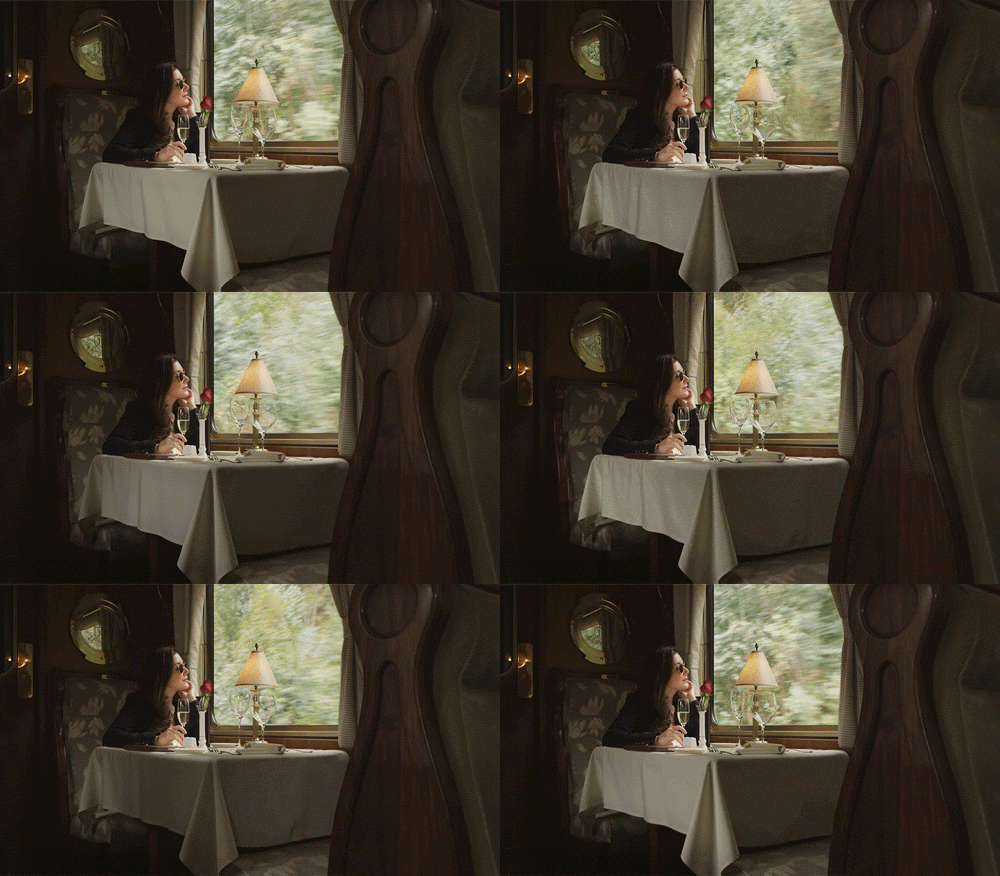
This cinemagraph features a woman in a train car, with the motion coming from the trees moving past. There’s also the movement of the table cloth and the reflection moving in the mirror behind her as well.
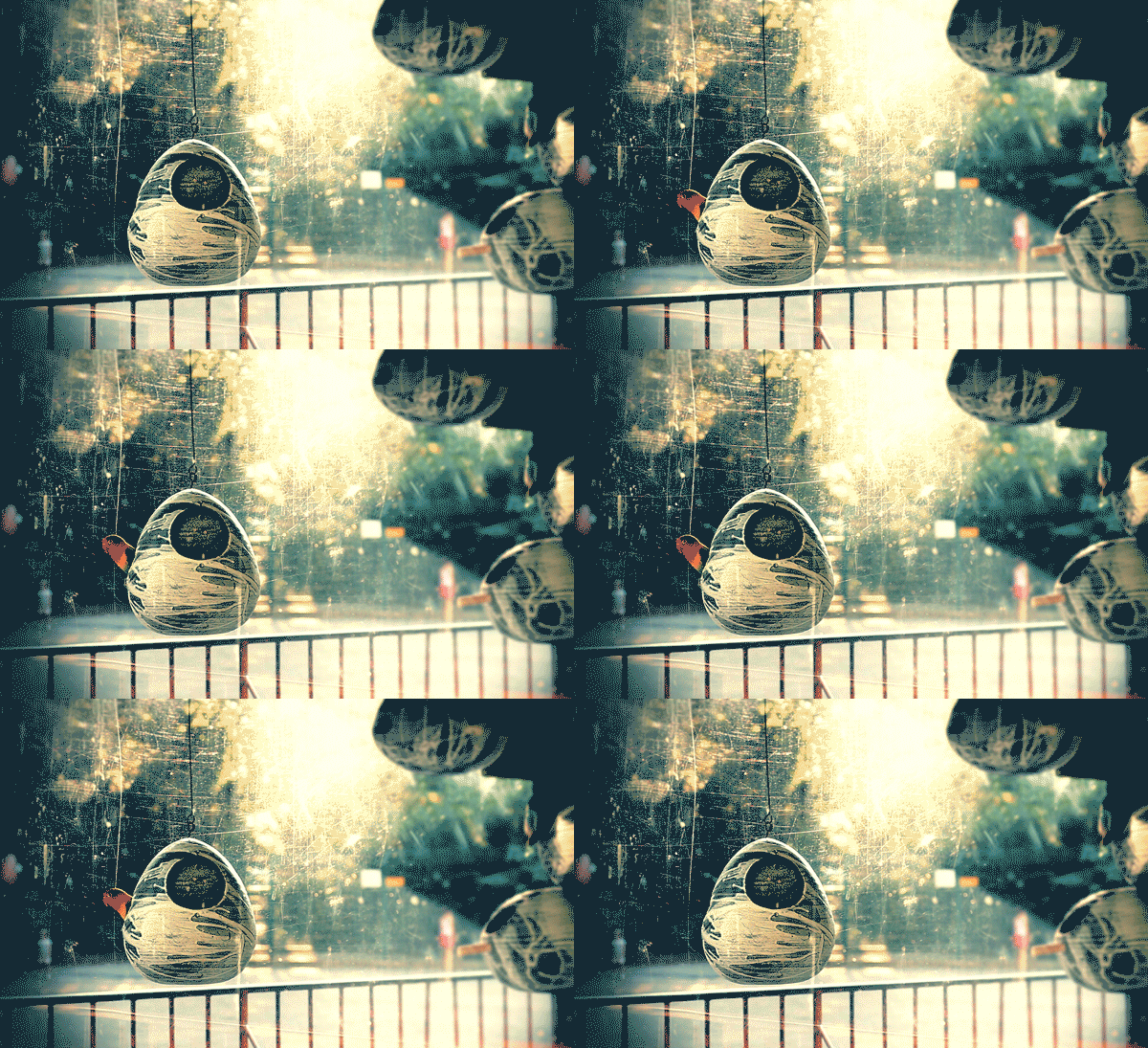
While the emphasis of cinemagraphs is for a more artistic style, they can also have a playful energy. This cinemagraph is of a bird popping in and out of the nest in a cute way.
This cinemagraph takes place at a party, with the motion coming from the lights on the string swaying back and forth. While the motion is slight, the use of color helps it stand out.

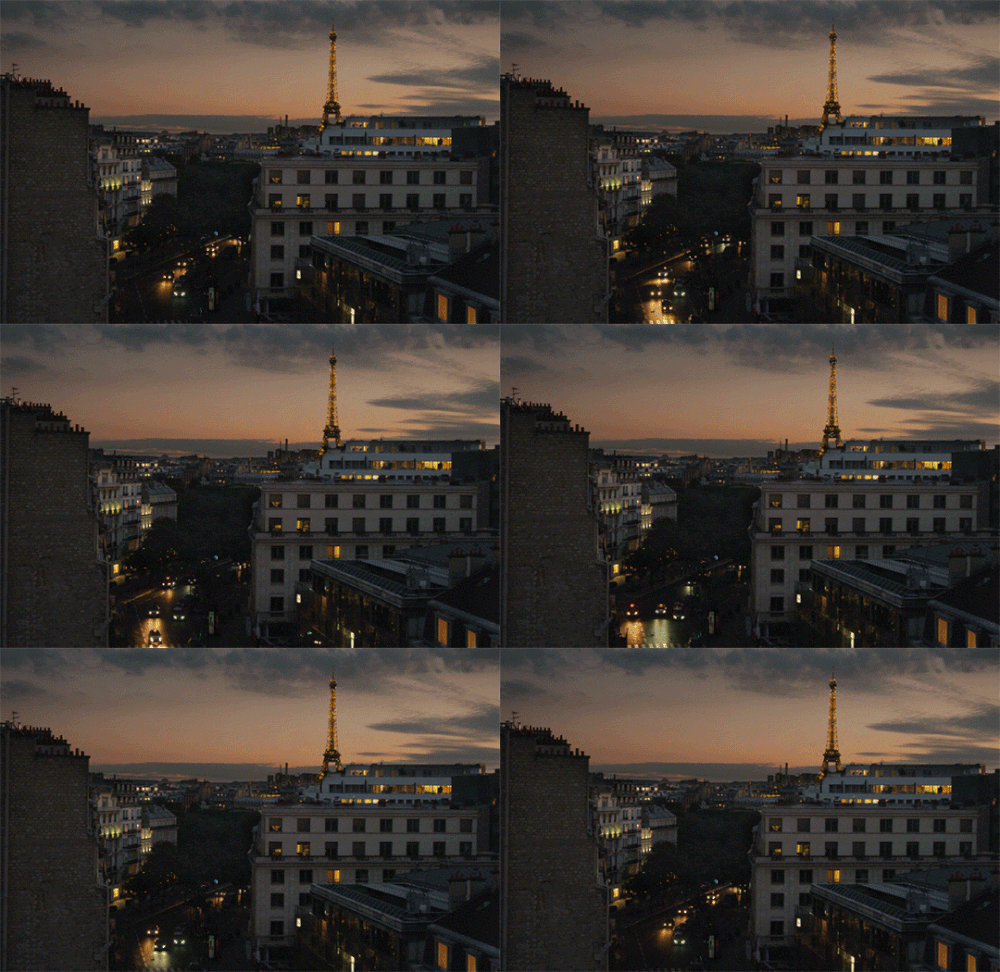
Lastly, this cinemagraph is has a fantastic mixture of motion and light. The cars drive down the street while the lights of the Eiffel Tower flash in the background.
Create
For my cinemagraphs, I wanted to try a variety of different techniques in the creation and editing. At the same time, I also wanted to apply the story techniques and narrative exercises to tie each of the cinemagraphs together. The first and third cinemagraphs were made in Adobe Photoshop, while the second was made in Adobe After Effects.
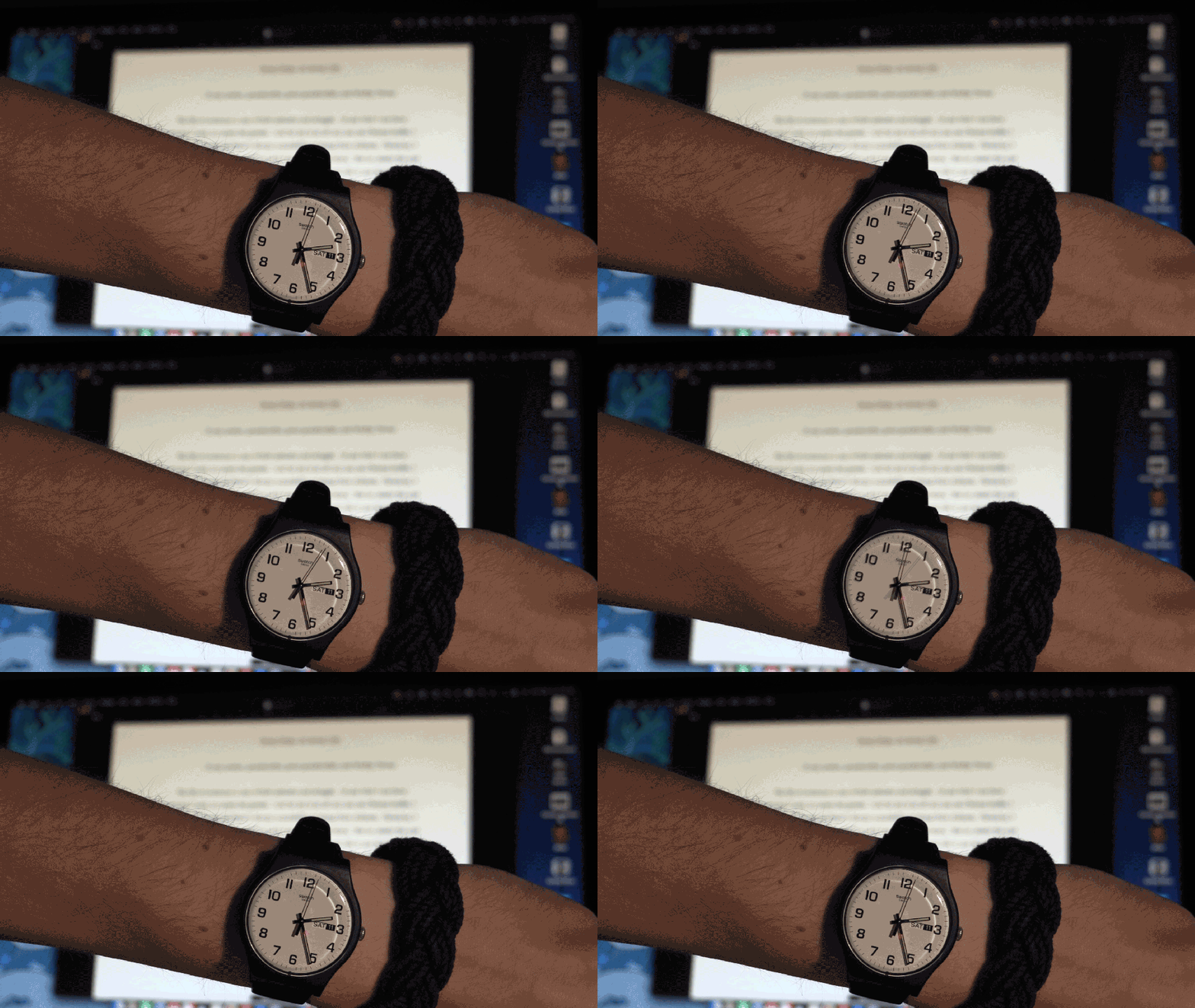
For my story, a student is up late trying to finish their final paper. As the time ticks by, he’s struggling to find the right words. He check his watch to see the time fading by.
Next, the student decides to make another pot of coffee to push through the paper. Amid their notes and flashcards, his coffee cup is filled up to the top.

Lastly, the student has his head in his hands as the sun comes up. He finished the paper, but now the next challenge is getting to class on time. With the curtains moving and the cat playing on the exercise machine, it’s time to get up and start the day.
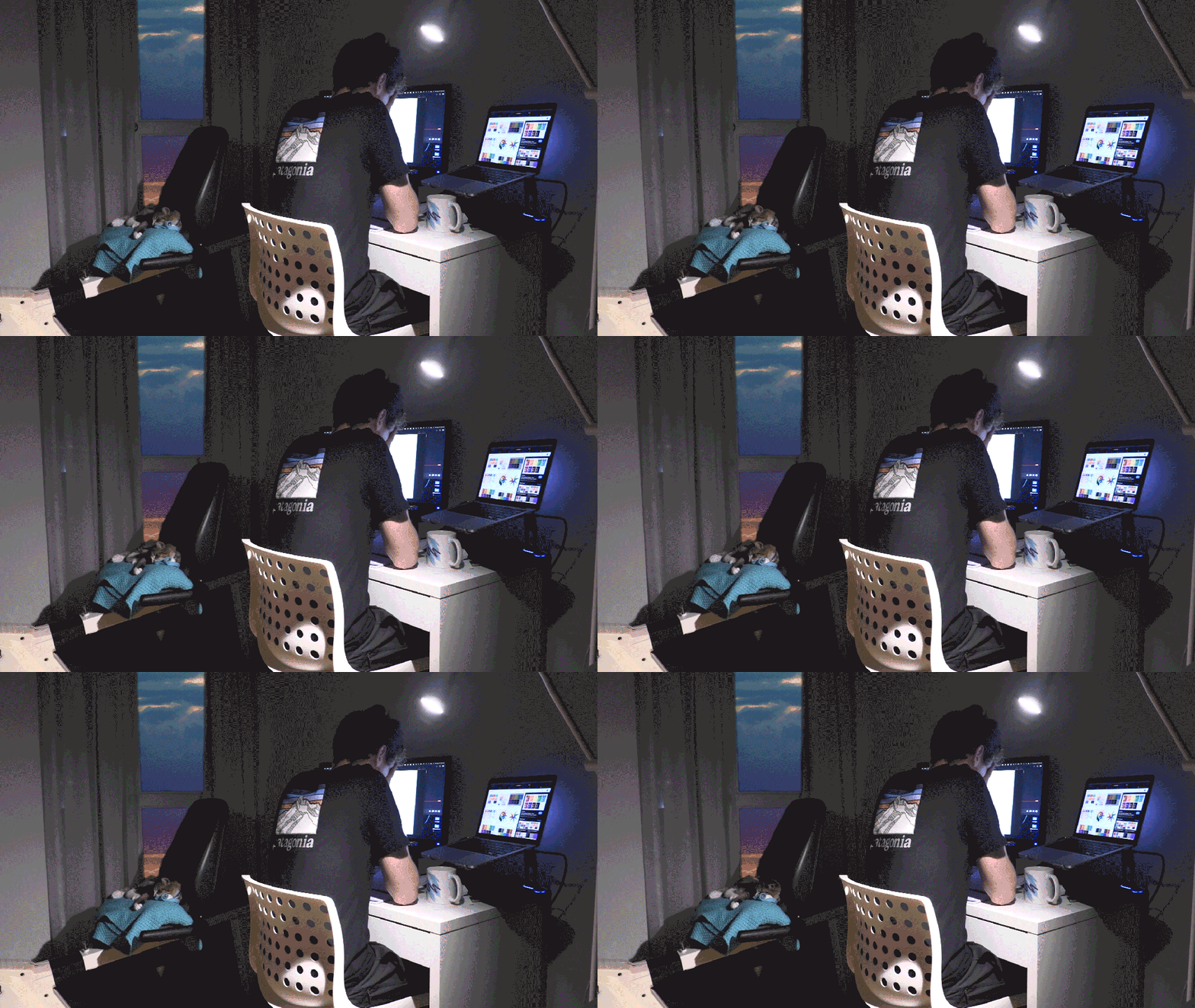
Overall, I’m happy with the story told in each of the cinemagraphs but there are some minor issues in the quality. For example, the watch face not matching due to my arms shaking or the way the GIFs don’t line up perfectly when it goes to the beginning. This is the first time I’ve made something like this so I’m proud of them, so I’m excited to learn from this and improve in the future.
Blazer, L. (2020). Chapter 2-4 . In Animated storytelling: Simple steps for creating animation & motion graphics. essay, Peachpit Press.
 Bailey MeCey
Leave a comment