Summary
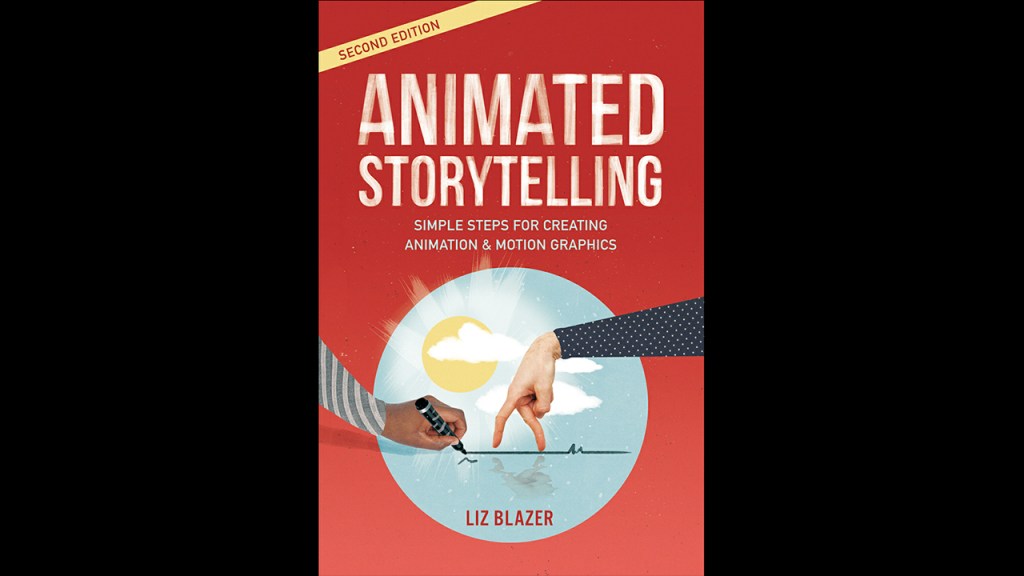
In this module, the focus was to gain a baseline understanding of animation and the best ways to conduct pre-production. To understand this, I read the introduction and first chapter of Animated Storytelling: Simple Steps for Creating Animation & Motion Graphics. From there, I researched effective ways to create different types of GIFs. Then, I created three GIFs in a variety of formats.
Reading & Writing
Pre-production is important in any production, but especially so when it comes to animation and graphic design. Without that, it could spell doom for production if you are animating without a proper plan. Three important questions that should be asked before starting production are:
- What is it?
- What does it look like?
- What is it made of?
There are many ways to go about answering these questions, from developing a creative brief to understanding the tone and focus of the project. Even something as simple as a tagline can help your audience know what the main points of the project are. Experimentation is also important in this stage of the pre-production to find unique ways to go about the full production.
While these types are primarily focused on animation, these types are helpful for any type of production. Understanding the method and scope of the project will help ease problems that might develop later on.
Research to Inform
In understanding different ways to do graphic design and animation, I collected an assortment of different animated GIFs that showcase the best of the format. These GIFs have a unique style and capitalize on the format in humorous ways.
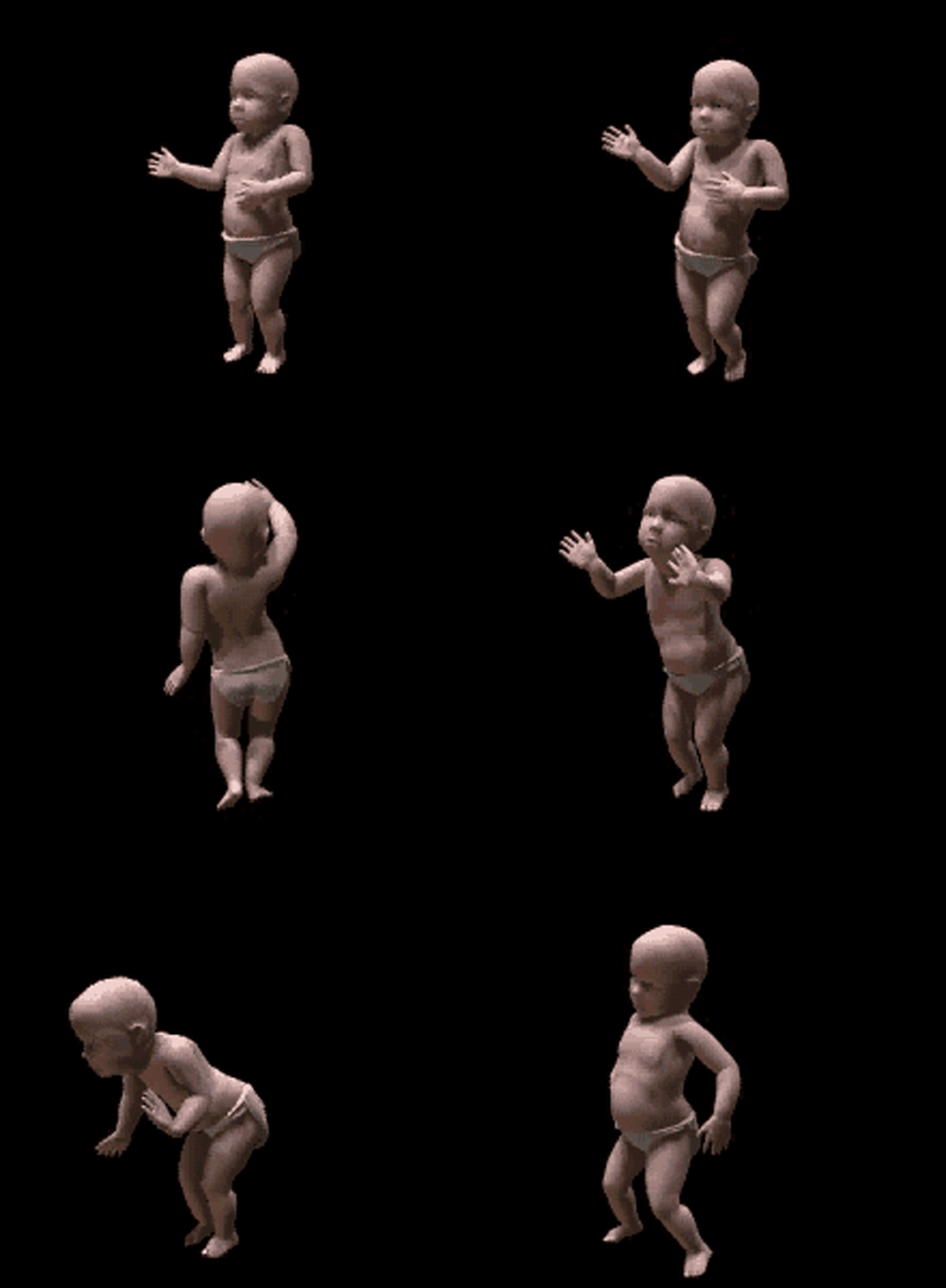
When discussing GIFs, one can not leave out the grandfather of all; the dancing baby. This is one of the first GIFs I ever saw online, and it was both hilarious and almost Lynchian in horror. What’s important about this GIF is how effective the format can be, in just over 50 frames it can strike several emotions through the audience.

This GIF, of a smiling dumpster fire surrounded by friendly trash, is an example of the fun dichotomy that can come about in animation. Most wouldn’t correlate a raging dumpster fire with something cute, but this pairing works because they’re so different.

This GIF was made by a community member of the video game website Giant Bomb to highlight the upcoming E3 press conferences. It depicts Executive Vice President of Gaming at Microsoft Phil Spencer and the joke that he will change shirts to different upcoming Xbox games during the conference. It’s a sleek and simple design, but the movement of the shirts gives it fun energy.
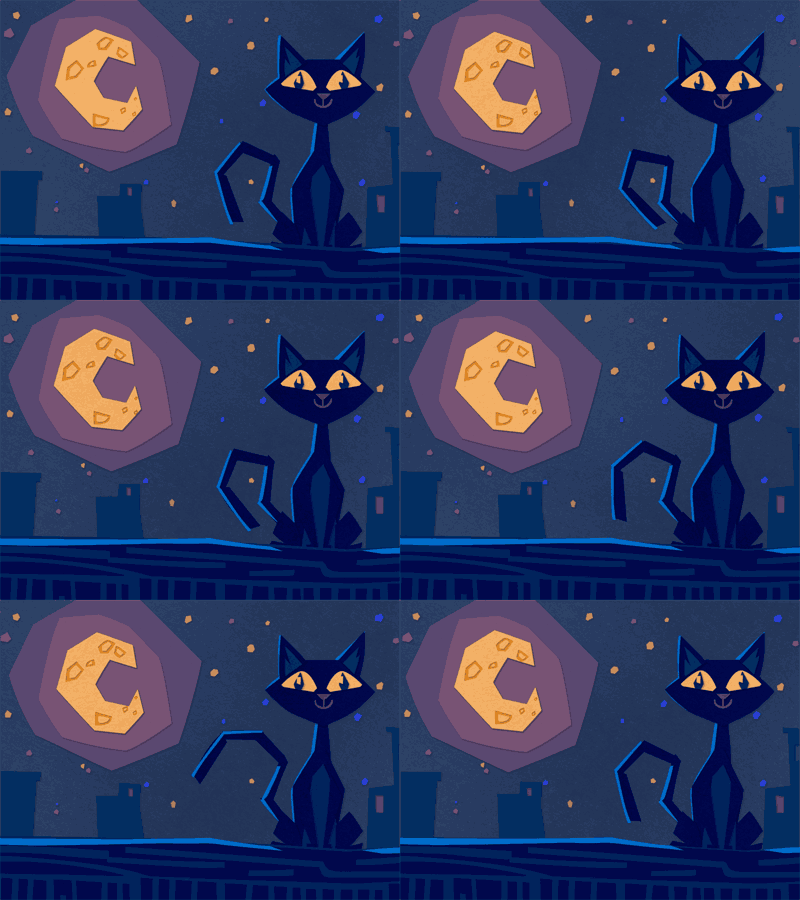
Animation has the opportunity to use a variety of different styles. This GIF of a cat at nighttime stands out in that it has a papercraft art style, which gives it a whimsical feel.

For myself, this is the type of animation I hope to learn how to do throughout the class. It has a sleek and fluid art style and works in a variety of formats. The objects all relate to the theme of vacation, and transition to the next in a way that feels thought out.
Create
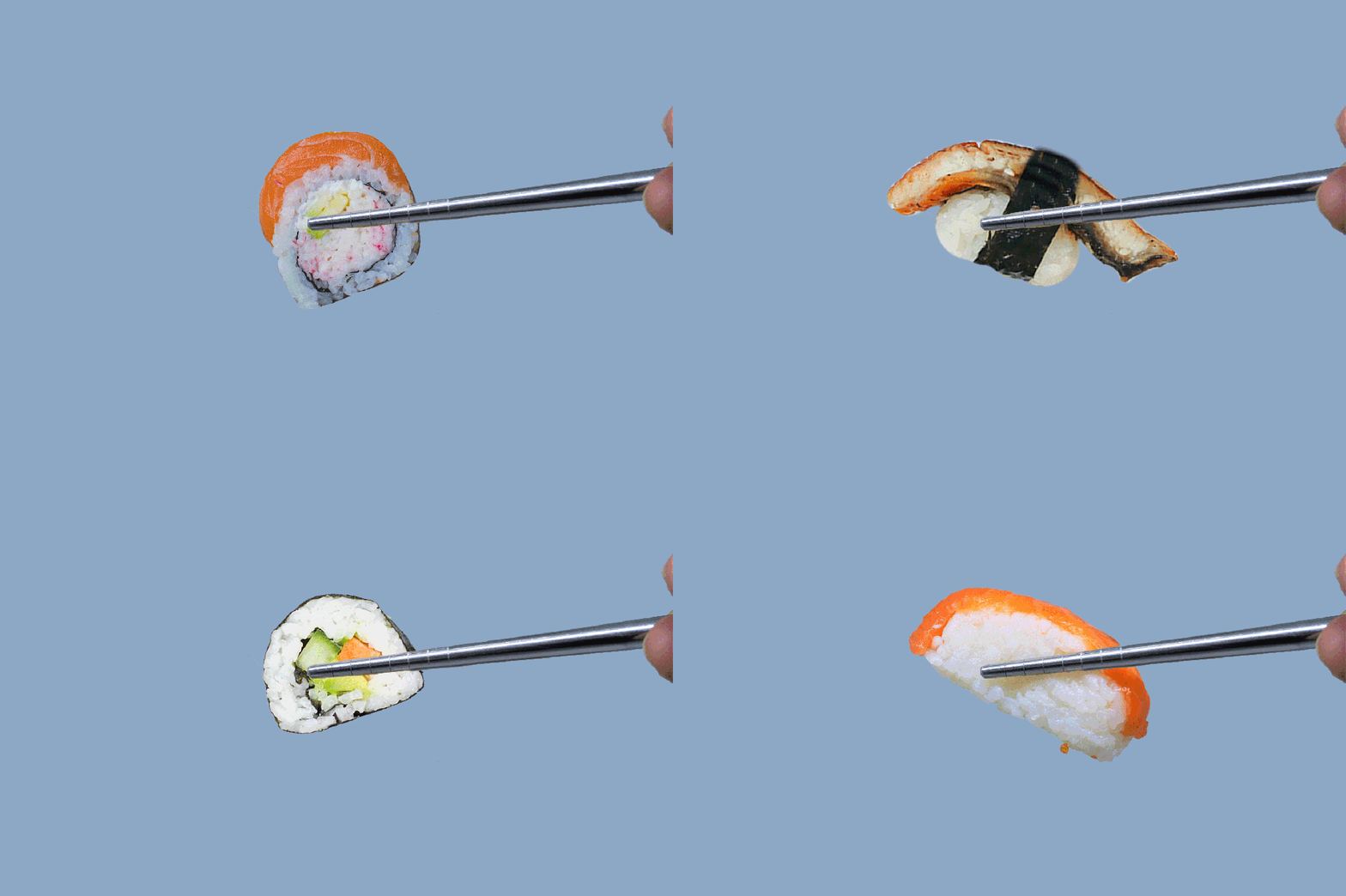
The first GIF was done in a cutout style, with a variety of sushi being held in a pair of chopsticks. The background and chopsticks stay, while the sushi transitions from one to the next.
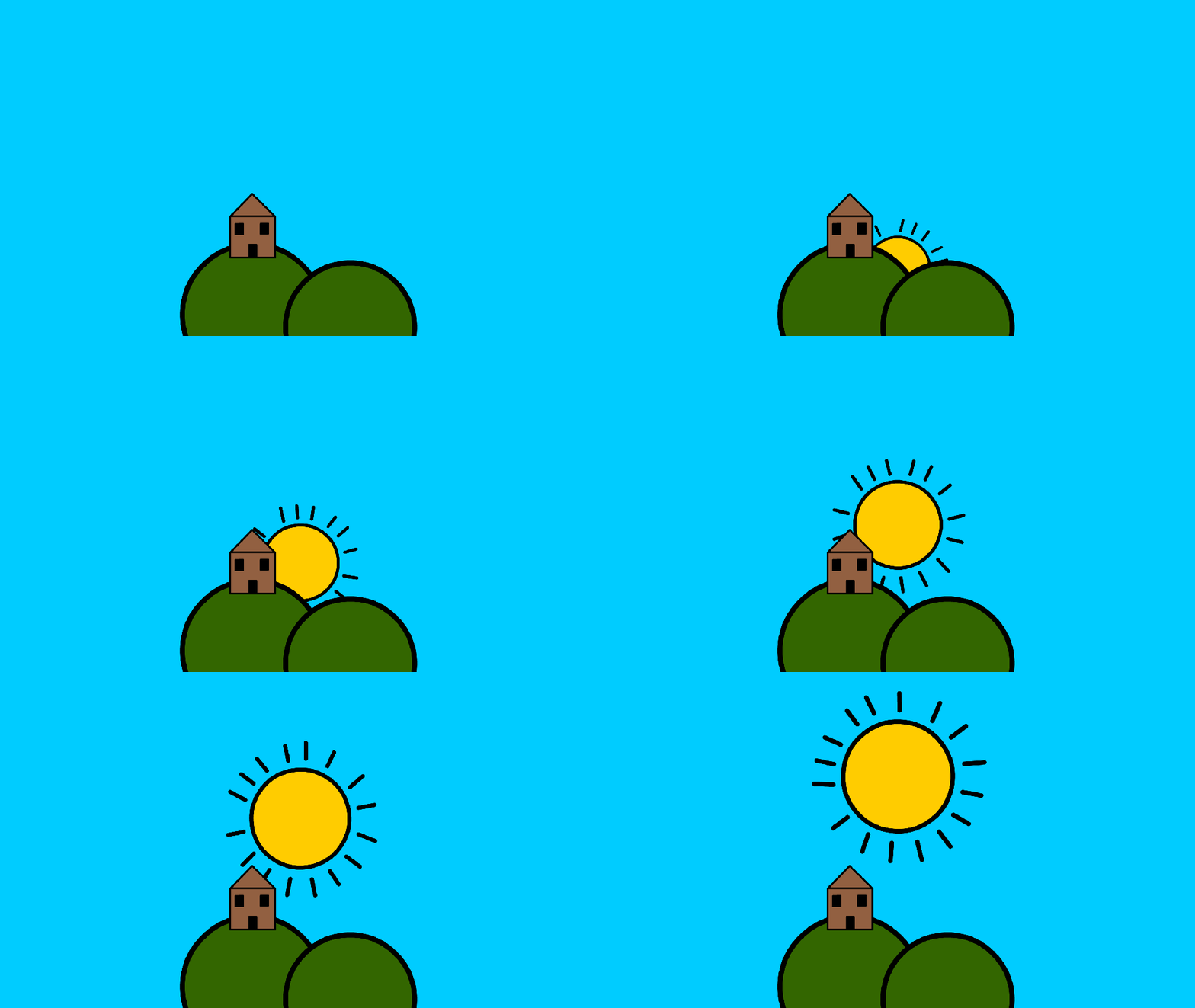
I do not have any experience with animation, and this was the first time I had ever used Adobe Animate. It was impressive to see how the program could be used to create different animations. For my animation, I made a sun that rises behind a hill and a house in the foreground. It has a cartoony art style and uses both position, scaling, and rotation to bring movement to the sun.

For my last animation, I wanted to create something that I could use for my work. I made it in Adobe After Effects to try using a different program, and make it sleeker than the other two. I used both position and opacity to have the house graphic come up smoothly.
Works Cited:
Blazer, L. (2020). Introduction and Chapter 1. In Animated storytelling: Simple steps for creating animation & motion graphics. essay, Peachpit Press.
 Bailey MeCey
Leave a comment