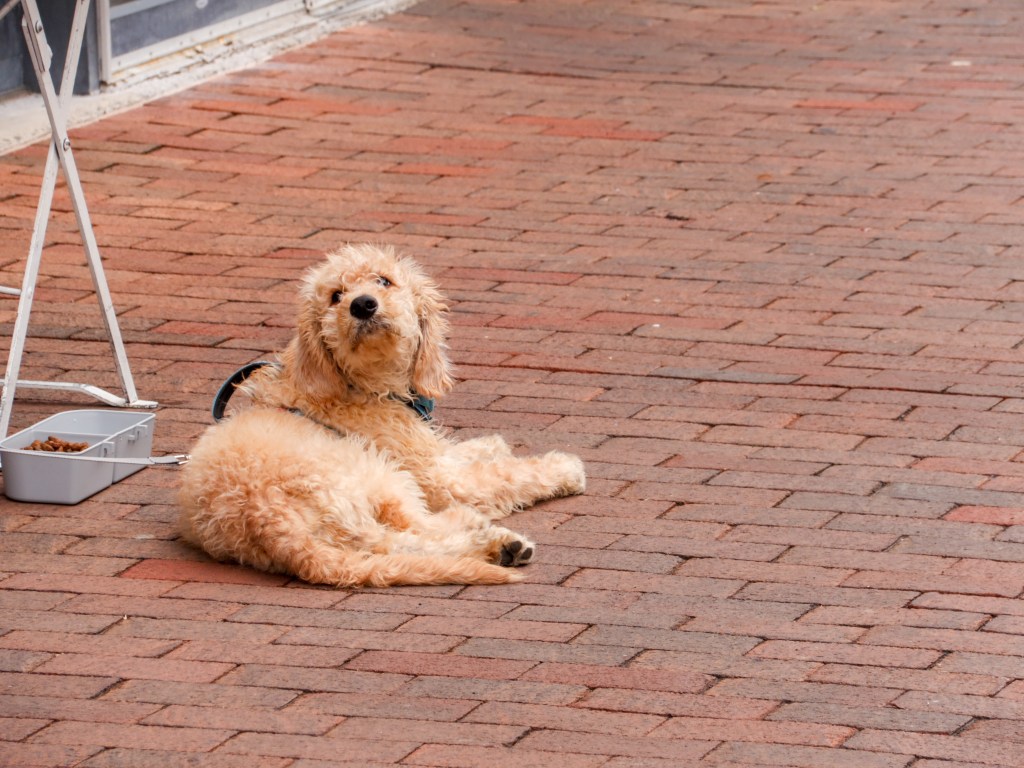
For this assignment, the goal was to create a photo essay series that captured a specific story. A photo essay where “both narrative and pictures drive the story” (Shurbaji 2014). For my photo essay, I wanted to capture what life was like given the state we are at with the COVID-19 pandemic. In his TedTalk on photojournalism, James Nachtwey focuses on how “photographers go to the extreme edges of human experience to show people what’s going on” (Nachtwey 2007). Photography has the power to present the truth visually. It also has a way to change depending on how the photographer takes the picture.
For my photo essay, the photos capture a variety of human experiences of people coming out of the current pandemic. Following the NPR Ethics Handbook, the most important to follow with my photo essay was accuracy and honesty. The photos would present a complete image of what life is like in downtown New Haven, for better or for worse. The photos could have all been people having fun together now that they are vaccinated, but that would not be honest to the reality.
The photos are primarily categorized to have a flow from one photo to the next. The first starts with a family out for a walk and progresses for different parts of life for people out in downtown New Haven. The second photo also helps set the stage, with the social distancing board covered by flyers to help establish that this is not from the early pandemic.
The main visual storytelling principles captured in my photos were authenticity and sensory. The photos are of real people living their lives in a variety of ways. In The Four Principles of Visual Storytelling, Lien emphasizes how the best photography can “make your audience feel something and feel it intensely” (Lien 2019). The photos that work the best to capture these principles are photos three and four. Each expresses emotions at different levels, from a happy couple enjoying their weekend to a solitary guitarist sitting alone playing a tune.
Other techniques I used were making sure to capture the right moment. A moment in photography is “at which action may be stopped to tell the story in a single frame” (Gitner). Waiting to capture the right moment is important, as patience is needed to get the perfect picture. Damir Sagolj, a photographer for Reuters, preparing for the moment is important as “when the moment happens it will go past you” (Reuters 2012). If you are thinking about your laundry or messing with the settings on your camera, the perfect moment will come and go.
Visual storytelling is important in photography in both the story and how the story is told. Depending on how the camera is used, it can dramatically shift the story. In Visual Storytelling, Andrew Losowsky focuses on how “the essence of visual storytelling is this combination of emotional reaction and narrative information” (Lowowsky). At its core, goos photography can tell its story through emotion in the narrative and the storytelling.
Works Cited:
Gitner, S. (2016). In What Ways Do We Think about Visual Storytelling Every Day. In Multimedia storytelling for digital communicators in a multiplatform world (pp. 1–33). essay, Routledge. (Module 1)
Lien, J. (2020, December 8). Worth 1,000 Words: The 4 Principles of Visual Storytelling. amplifi. https://amplifinp.com/blog/4-principles-visual-storytelling/. (Module 1)
Losowsky, A. (2012). Introduction. In Visual Storytelling: inspiring a new visual language. essay, Gestalten-Verl. (Module 1)
Nachtwey, J. (n.d.). My wish: Let my photographs bear witness. TED. https://www.ted.com/talks/james_nachtwey_my_wish_let_my_photographs_bear_witness?language=en. (Module 4)
NPR. (2019, February 11). These are the standards of our journalism. NPR. https://www.npr.org/ethics. (Module 4)
Sagolj, D. (2020, September 11). 7 Photojournalism Tips by Reuters Photographer Damir Sagolj. Vimeo. https://vimeo.com/48815231. (Module 4)
Shurbaji, E. (2014, December 17). Photo narratives. Medium. https://medium.com/learning-journalism-tech/photo-narratives-d77b812f99dd. (Module 4)
 Bailey MeCey
Leave a comment