Summary
For this module, the goal is to create a mini-documentary showcasing a variety of the audio and video skills we have learned over the semester. To prepare for the assignment, I read about the best ways to use lighting and how to prepare for your shoot. I also did some research to see how to best light and frame scenes. For this week, the focus is on pre-production to have next week produce the documentary.
Reading & Writing
To aid my research and assignments for the module, I read chapters seven and nine of The Bare Bones Camera Course for Film and Video. These chapters focused on proper lighting and shooting, which will do a lot to inform the effectiveness of the production.
Chapter seven covers the different forms of lighting and how to best light your shoot. Shooting interiorly or exteriorly can vastly change the direction to go with for lighting your scene. If you are shooting outside, you must contend with the sun and how shadows will drape over your subject. Interior shooting means you do not have to worry about the sun, but more effort must be done to light the scene properly. Even a simple interview shoot can have multiple lighting sources at once, to highlight the subject and the background.
Chapter nine focuses on how to prep for a shoot, and keep on the right track. Planning out your shoots ahead of time with a shooting script and storyboard can keep you organized and not forgetting to shoot a pivotal scene. Having a slate to differentiate shots will also help to keep shoots flowing smoothly. That could not be more important than when you are shooting out of order, so as not to become confused on which shot goes where.
Research to Inform
Along with the reading, I found a variety of documentaries that I have enjoyed. These come from a variety of sources, from large-scale news production to an independent documentary team. They each are well-produced, and each presents a style of video production I hope to do one day.
Noclip – Unforeseen Consequences: A Half-Life Documentary
When most people think of documentaries, they think of major productions with a lot of financial support. However, thanks to new technology and new methods of funding more independent means of documentary productions are available. Noclip is a two-person documentary team that creates documentaries on video games through crowdfunded support. They have made documentaries on large-scale games like Fallout to smaller independent games like Hades.
This documentary focuses on the 20th anniversary of Half-Life, and the legacy it has had since its release. Even though they have limited support and manpower, this is a full-length documentary with no compromises. The shots are well-framed, and the interview shots are well lit. B-roll is used to help highlight the points made in the interviews. These documentaries are a lot of fun and present an exciting future for where documentaries can go.
VICE News – How Evangelicals Are Grappling with a Post-Trump World
This segment, from a VICE News report, is a conversation on how evangelical Christians are moving on after the 2020 election. After I saw this video, I was impressed with the care put in to shoot the interview. Thanks to filming in a church, there’s a lot of nice natural light coming in to light the scene. Along with that, there’s a small amount of fill light as well. The framing of the interview is well done, with the interview subject as the main shot and the second shot being the reporter. Even in the second shot, you can partially see the shoulder of the subject in the corner, so the emphasis is still placed on them. The b-roll also helps to highlight the subject matter, and it is edited nicely.
Netflix – Drive to Survive
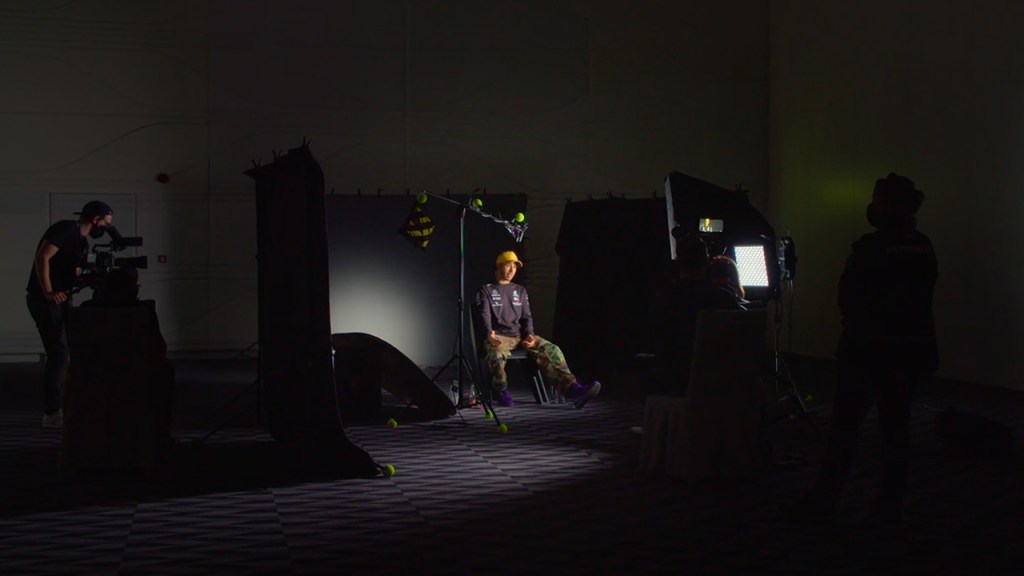
Netflix has done a variety of documentaries, but my favorite has been Drive to Survive. This series covers Formula 1 racing, following the drivers and teams throughout the season. The shooting it well done, from the interview segments to the race days. The b-roll of the races helps emphasize points made in the interviews and it’s edited very well. Given that the most recent season is during the COVID-impacted season, it’s impressive how well the documentary team was able to pivot and still keep the high bar of quality from the previous seasons.
A problem with this documentary, however, is when it fudges with the truth to tell the story it wants to present. All documentaries do this in certain ways, but it’s more pronounced when it’s presenting a relationship between two drivers as more fractured than it is. At times they took the audio from one race and used it in another, which can be quite blatant.
The Anarchists’ Picnic
Even though you have a fantastic story and characters, it can be dragged down by technical issues. This documentary, which was done by some of my classmates at the University of Nevada, Reno, is about the issue of homelessness in Reno and an anarchist group that helps the unhoused community. It’s an important story to tell given the increase in homelessness and the lack of support, but unfortunately, the technical issues take away from the story. There are a lot of audio issues and problems with audio balancing, with the audio jarring from scene to scene. It highlights how important it is to get good audio, as it’s hard to fix.
Create
For this module, our assignment was to do pre-production on a mini-documentary. For my mini-doc, I’m returning to an idea I had before of following a new realtor and how COVID has affected them. I still need to plan out my shooting, but I hope to have my shooting done soon so I have plenty of time to edit.
Below is my pre-production planning document to download.
Works Cited:
Schroeppel, T. (2018). The Bare Bones Camera Course for Film and Video. Langara College.
 Bailey MeCey
Leave a comment