Creating content online is difficult, but even more so reaching broader audiences on social media. In his book Jab, Jab, Jab, Right Hook, VaynerMedia CEO Gary Vaynerchuk describes the struggle in online marketing as “Content is king, but context is God.” Putting out content is not enough, as it will get drowned out by the masses.
Understanding the capabilities of your platforms are important to make yourself stand out. In creating content with the proper context, you must make an ethical judgement on how far you go to reach those audiences.
There are multiple ways of finding the right context for your content. Some ways involve integrating the content into what the audience might normally see online or crafting the content to take advantage of each specific platform. Compared to traditional marketing, this style of marketing can respond quickly and more effectively to online audiences.
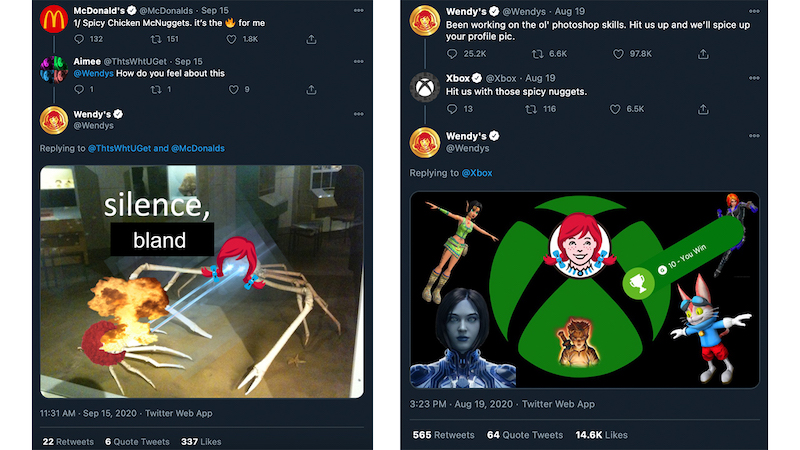
Personally, the push for native advertising and greater integration pushes me further away from this strategy online. Varnerchuk explains that native advertising should “look and feel like something a real person, whether a friend, acquaintance, or expert would write.” Two problems emerge from this; every brand following this pattern and trying to act like a real person.
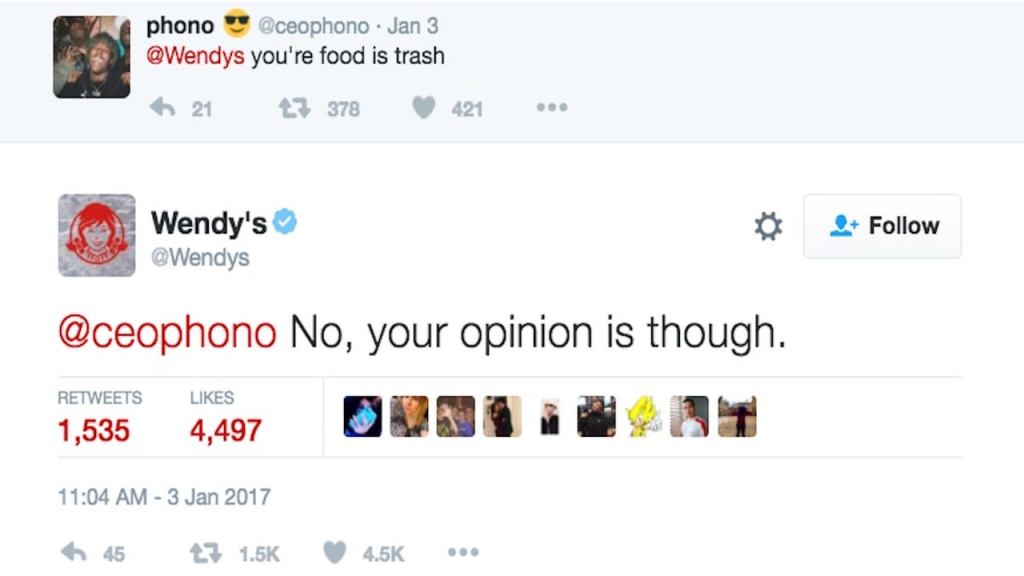
One of the first brands that comes to mind with a shift to a more online personality was Wendys, with their curly fries art projects and hard-edge take on social media users. Now however, every brand does edgy social media and they have all drowned themselves out. The style is not unique anymore, and worse, done by people imitating the style without understanding why it worked in the first place.
Another problem comes from brands feeling like they can act like real people, for example when Sunny D tweeted “I can’t do this anymore.” From Vaynerchuk’s perspective, this tweet is incredible; five simple words have brought in over 160,000 retweets and over 300,000 likes to the brand. Other brands, including MoonPie and Pop-Tarts, responded asking if the brand was ok and if they needed a hug.
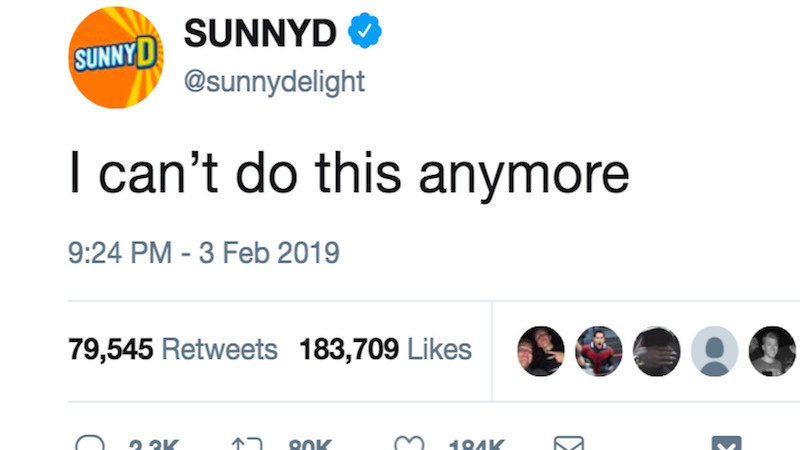
The problem with this is that there is no clear understanding of what the content is meant to evoke in the audience. Should I be concerned for the mental well-being of the Sunny D social media manager, or is this a quirky way of connecting with millennial audiences. As someone who has struggled with mental health and anxiety issues, I do not appreciate when brands exploit people’s issues for likes online.
Context is king, but it can’t overshadow the content. There needs to be a balance of strong content that is supported by smart digital strategy.
 Bailey MeCey
Leave a comment