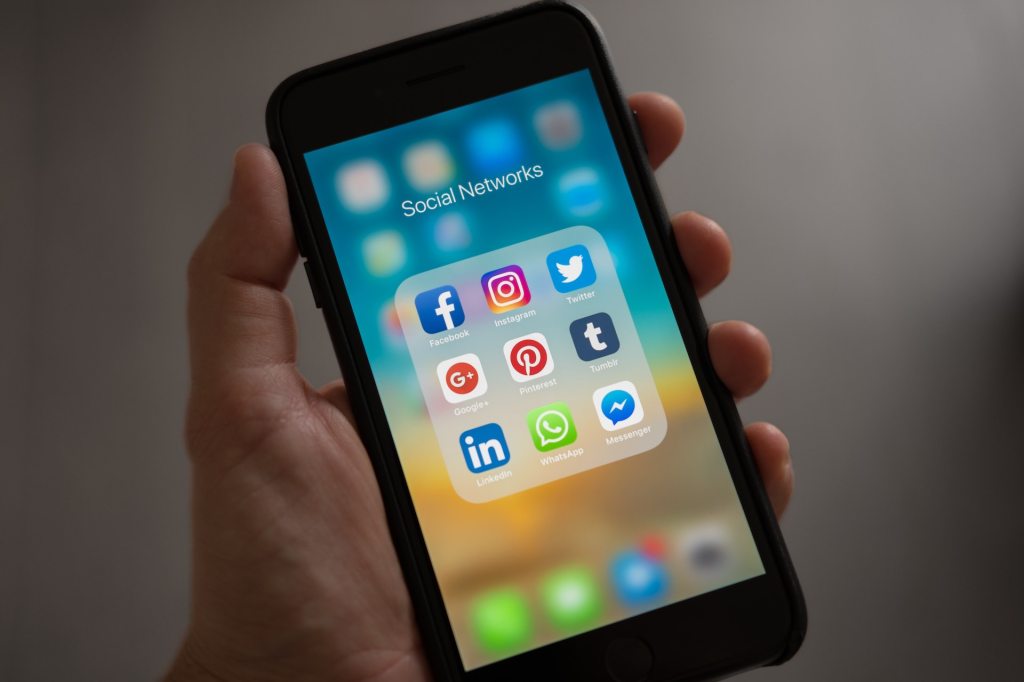
The most common way to rewarding users is through the “like” button. When users agree or feel passionate about a post, they can send a virtual heart to the person they are connecting with. Another way users can interact is through sharing posts made by others to their communities or sharing with additional comments. There is also a new concept that has come to fruition over the recent years, but it’s not something Twitter and Facebook are happy about.
When one posts a bad tweet or post online, they are subject to getting ratioed. The ratio is when the number of posts replying to a tweet severely outnumber the number of likes the post has. If a post has been ratioed, then it is more than likely a post that has pissed a lot of people off to respond. This primarily is for posts from verified users, but it does happen to those that are unverified but not as severe.
In a way, social media is the great equalizer. Anyone can make an account and can interact with others via following or engaging with them. There are major problems with this, whether that is foreign agents using social media to influence elections of other nations or the rising far-right influence in this country. However, in a time when it feels like nothing is going right, it is fun to see someone of influence or status get taken to task online for a bad take.
Many have argued against this notion of likes, and have suggested removing them entirely. In The Dark Psychology of Social Networks for The Atlantic, Jonathan Haidt and Tobias Rose-Stockwell argue that social media is having a severely negative impact on our society and political landscape. One solution to this problem is demetrification, removing like and share numbers from posts. This would then shift the discourse on social media to what has had the best engagement numbers to what is the inherent value of the content itself.
In a perfect world, this would be the best-case scenario. People engaging with Twitter not to be hostile or emotional, but to have friendly conversations with friends and peers. However, since the dawn of communication online, that has never been the case. Look back at old message boards and you’ll see people arguing at the most inane things, like a forum of bodybuilders yelling about how many days of the week there are. To assume we can use social media and not get emotional is not accounting for the human angle of things.
If one wants to address this issue, they must either do it through demetrification or through shutting down the conversation entirely. Twitter has already done this with their new reply filters. These filters can allow users to limit who can reply to a tweet they write, or not allow replies at all. While this is great for those that are being targeted by harassing groups online, it does allow for those to limit how the normal person interacts online. When someone of high notoriety or status makes a bad claim online, we as a communal group can respond and hold them accountable through something as simple as a ratio. These people with wealth and status have power and influence we could never have, but when it comes to online they have to jump in with all of us.
As a whole, we should strive for social media platforms that you do not care how well your tweet or Instagram photo does on a number level but how it makes people feel. At the best of times, it should inspire conversation and debate, not just as something to get a quick hit of likes then moves on. Social media platforms on the whole do not care about this, all they want is an advertiser-friendly space where you do not have to worry about the worst going on in the world. Social media platforms know that they are having a severe impact on the way people act and feel, but only react when it is the privileged feeling the heat. The act of the ratio is in a way a public rebellion from this, the mass holding people accountable when institutions and platforms will not. To outright remove or limit methods for users to rebel in this way only limits discourse online.
References:
Haidt, J., & Rose-Stockwell, T. (2019, November 12). The Dark Psychology of Social Networks. The Atlantic, Retrieved September 26, 2020, from https://www.theatlantic.com/magazine/archive/2019/12/social-media-democracy/600763/
 Bailey MeCey
Leave a comment