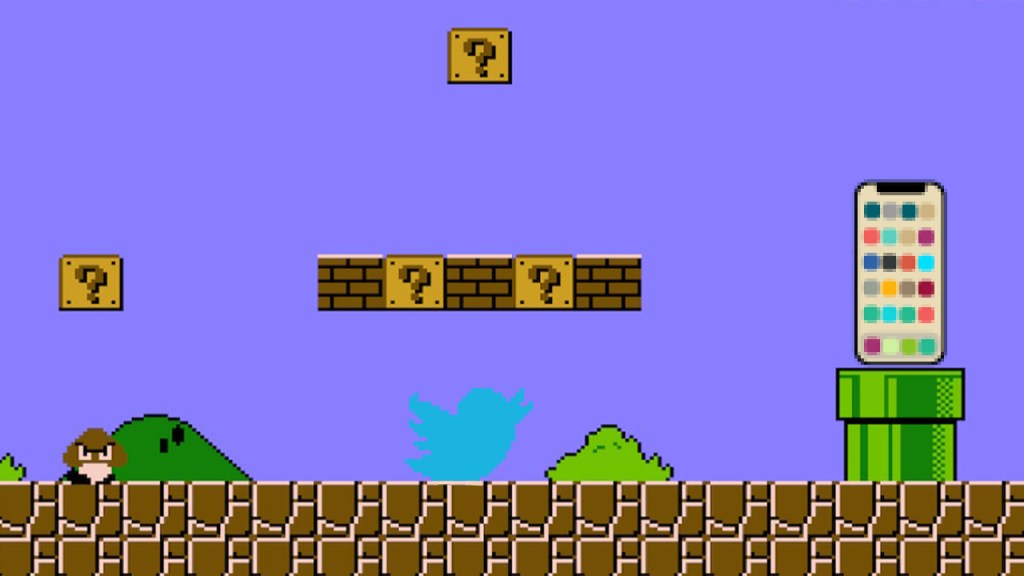
Video games have changed a lot in the 50 years since their introduction into popular culture. From primitive recreations of ping-pong to ultra-realistic first-person shooters, video games have gone through a technological and cultural renaissance. When it comes to gaming, there is one massively popular game people might not see as one. It has been around for over a decade now and features hundreds of millions of players. That game: Twitter.
Charlie Brooker, a news presenter and creator of the show Black Mirror, produced a television special titled How Videogames Changed the World. In the special, Brooker, along with a group of game developers, actors and journalists, break down the top 25 most influential games ever made. There are the usual suspects, from Tetris to Minecraft, but the most influential game went to Twitter. Brooker makes the case that Twitter is the most successful massively multiplayer game ever made, in which you create an avatar and accrue followers to increase your social media score. Mario collects coins for points in Super Mario Bros, and on Twitter we collect likes from making a funny or engaging tweet.
Twitter does this through a term called gamification, where the mechanics of video games are applied to non-game elements like social media and smartphones. This engagement keeps users hooked and engaged with their devices or apps. Twitter is one of many technology companies to use gamification to increase user engagement. Fitbit, the wearable exercise tracker company, has also looked at video games for inspiration. Video games have used achievements for years to entice players to beat various challenges or make them play longer. To make people exercise more, Fitbit offers different achievements for users based on the number of steps and intensity of the workout.
Social media and technology companies have taken a lot from what video games have done for years, but have they had any influence on video games themselves? As smartphones and social media apps have become a daily part of our lives, they have rewired us to be checking in constantly to see if we have any notifications. Video game publishers seem to have taken note of this, as a major focus on game development is player retention.
For years, players would pay for a game, play it for a few weeks, then move onto the next game. A major focus of development today is keeping players hooked on a game for months, even years. After spending hundreds of millions of dollars creating a game, a publisher wants players to stay with that game and get as much money out of them as they can before having to spend more money developing the next game. To do this, developers and publishers have added battle passes to their games; a form of downloadable content that can take months to complete. After paying an entry fee, players unlock new content through completing challenges. They are incentivized to keep coming back to their game to unlock more costumes and new items. Akin to how designers of smartphone apps want us constantly checking in to see if there are new notifications, developers and publishers are designing games to keep players coming back for more.
If a player doesn’t log in, they miss out on new and exciting content their friends have. This new method of engagement has worked well financially for game creators, as the video game industry is expected to bring in $159 billion in 2020. This trend of battle passes enticing players to stay with their game for elongated periods of time is likely to continue. Silicon Valley figured out how to keep users hooked on smartphones and apps; it was only a matter of time before other industries took notice.
Social media, smartphones and video games have all taken from each other to grow into the monoliths they are today. Whether that is the gamification of social media to increase your clout or constantly logging in on a game to unlock new content, these services have learned how to effectively integrate into how we share and play with others.
 Bailey MeCey
Leave a comment